EFL Learning Centre and EFL i-High School are advancing Sustainable Development Goal 4 (SDG 4) on Quality Education by investing in teacher development, improving learning systems and designing educational pathways around each learner’s strengths, goals and circumstances.
One of EFL’s key initiatives is ‘One School, Three Systems’, which brings together Thai education, international education and experiential learning. EFL applies the credit bank concept and uses competency-based learning outcomes to give learners more flexibility in planning their education.
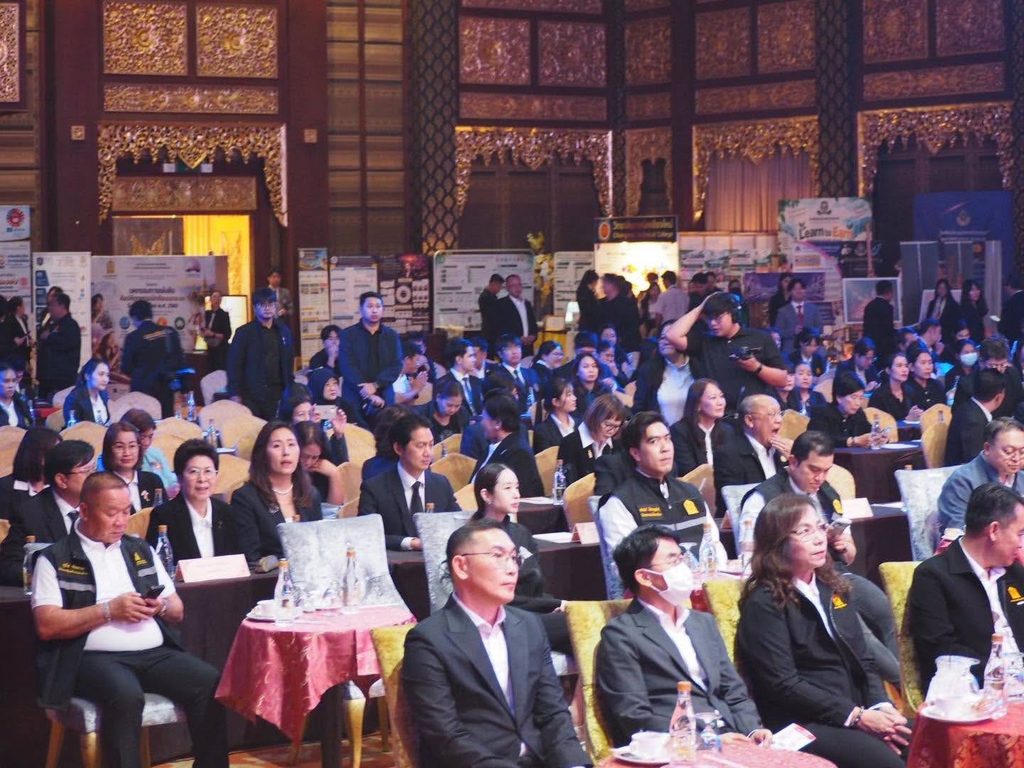
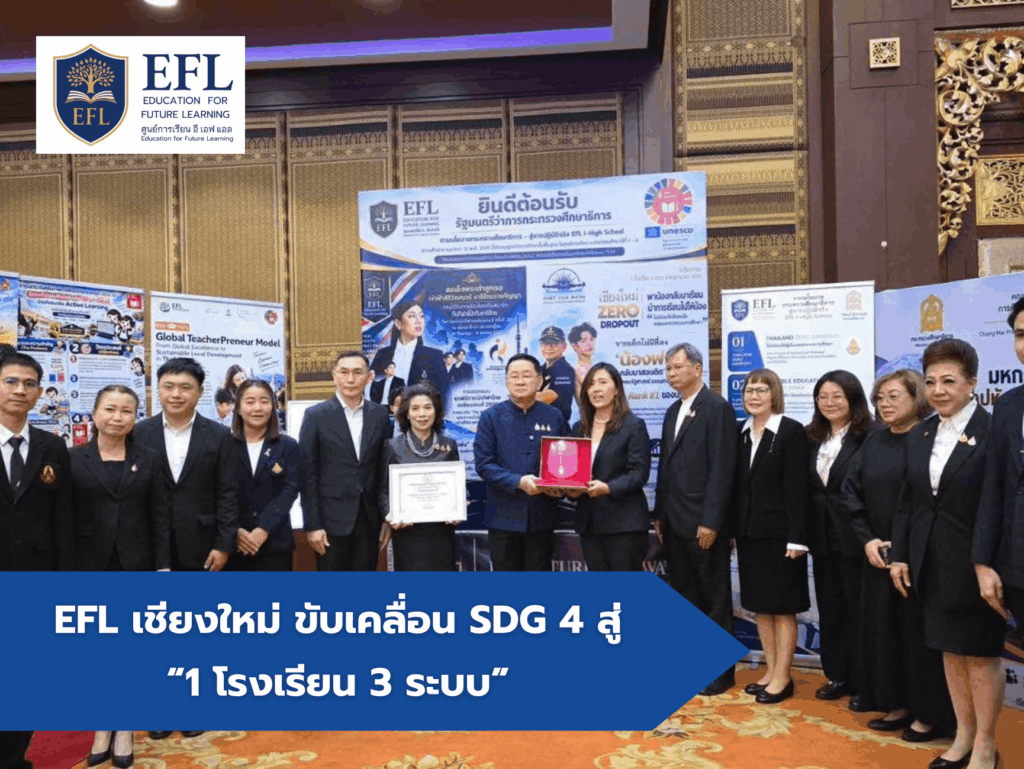
EFL showcased its educational approaches and innovations at the Chiang Mai Education Forum 2026.
Another milestone for EFL was its Global TeacherPreneur Model, which took first place in the vocational skills and employment category of the Chiang Mai Provincial Education Office’s SDG 4 Best Practice Awards, earning an ‘Outstanding’ rating.
The model focuses on reskilling and upskilling teachers so they can also serve as mentors and coaches. In these roles, teachers help learners discover their strengths, set goals and connect what they learn with future study and career options.
Dr Wilaiwan Wannachotphawet, an executive at EFL Learning Centre, Director of EFL i-High School and Centre Manager of the Pearson Edexcel Approved Centre, has combined the principles of SDG 4 with the ISO 9001 quality management framework to develop an education system that focuses on both teaching quality and learner outcomes.
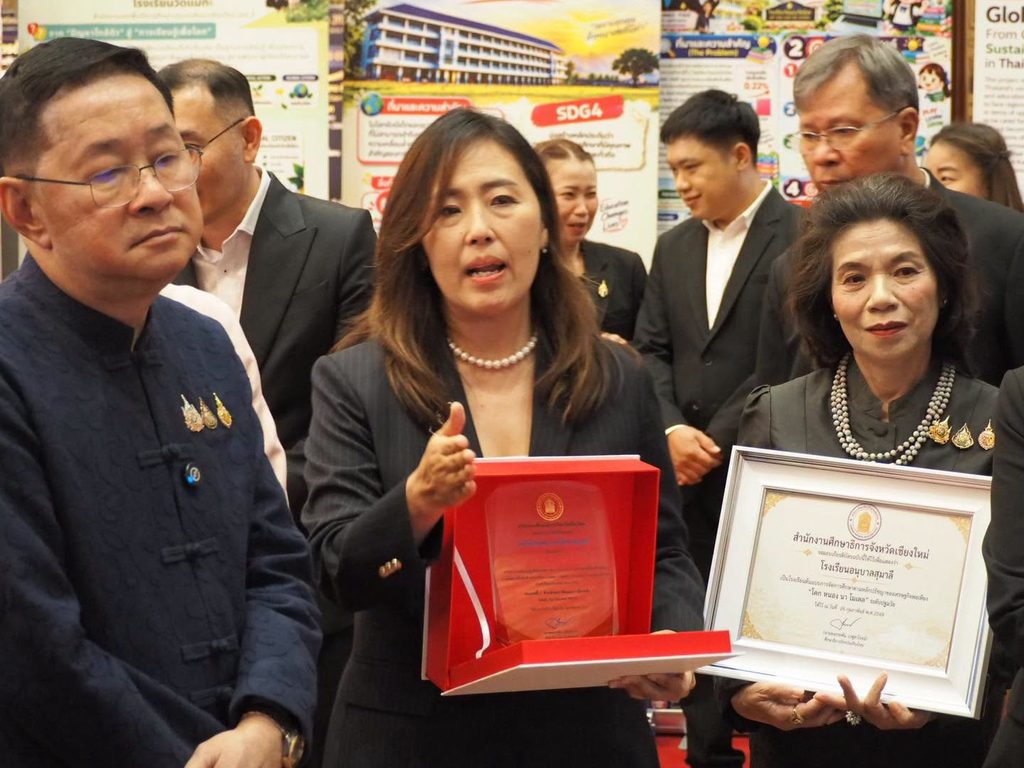
EFL Learning Centre received an SDG 4 Best Practice Award in the vocational skills and employment category.
Personalised Education Tailored to Each Learner
EFL’s one-to-one Personalised Education approach starts with each learner’s goals, abilities, interests and learning circumstances.
By designing educational pathways that can adapt to individual needs, EFL supports the Chiang Mai Zero Dropout initiative and helps reduce the risk of children and young people dropping out of education.
The approach serves learners from a range of backgrounds, including students in mainstream education, athletes, young people with specialist talents and learners who face barriers to participating fully in conventional schooling.
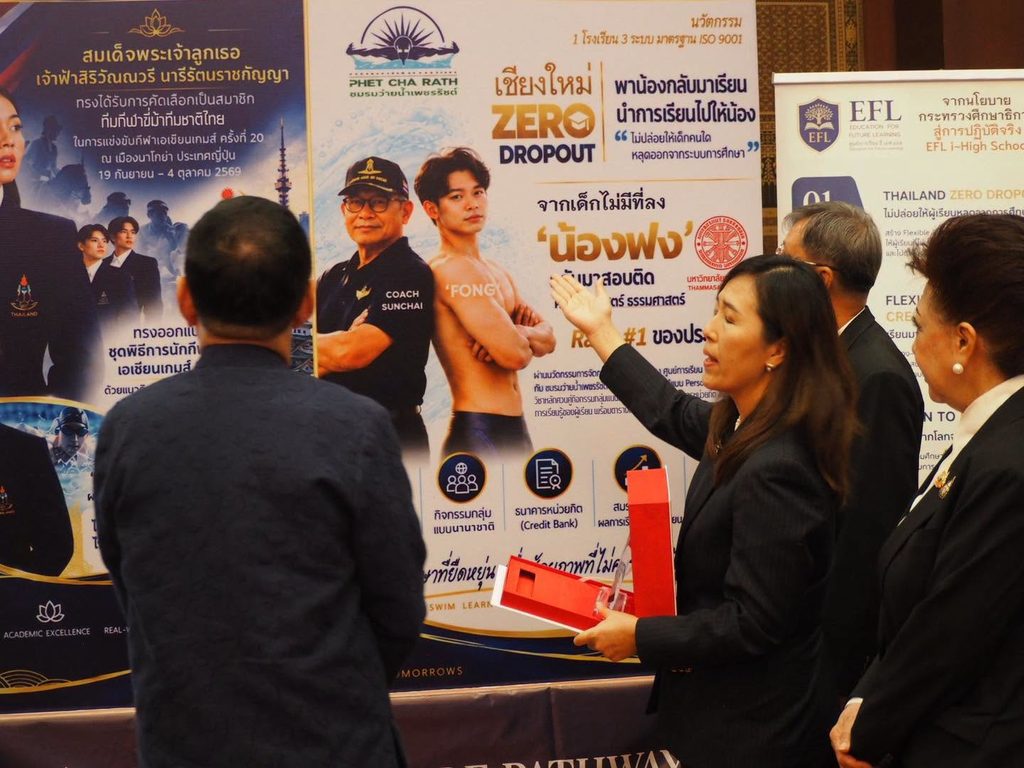
EFL presented its flexible education approach and support for Chiang Mai Zero Dropout, showing how learners can follow a pathway that suits them.
One example is Wongsakorn ‘Fong’ Phaetsaman, a swimmer who balances his studies with a demanding training and competition schedule.
EFL worked with Phetcharat Swimming Club to design a study pathway around Fong’s training and competitions. This enabled him to continue swimming at national team level while pursuing a degree in political science at Thammasat University.
Creating International Opportunities for Young People in Thailand
Alongside developing its learning systems, EFL gives young people opportunities to apply their knowledge and skills in real-world settings.
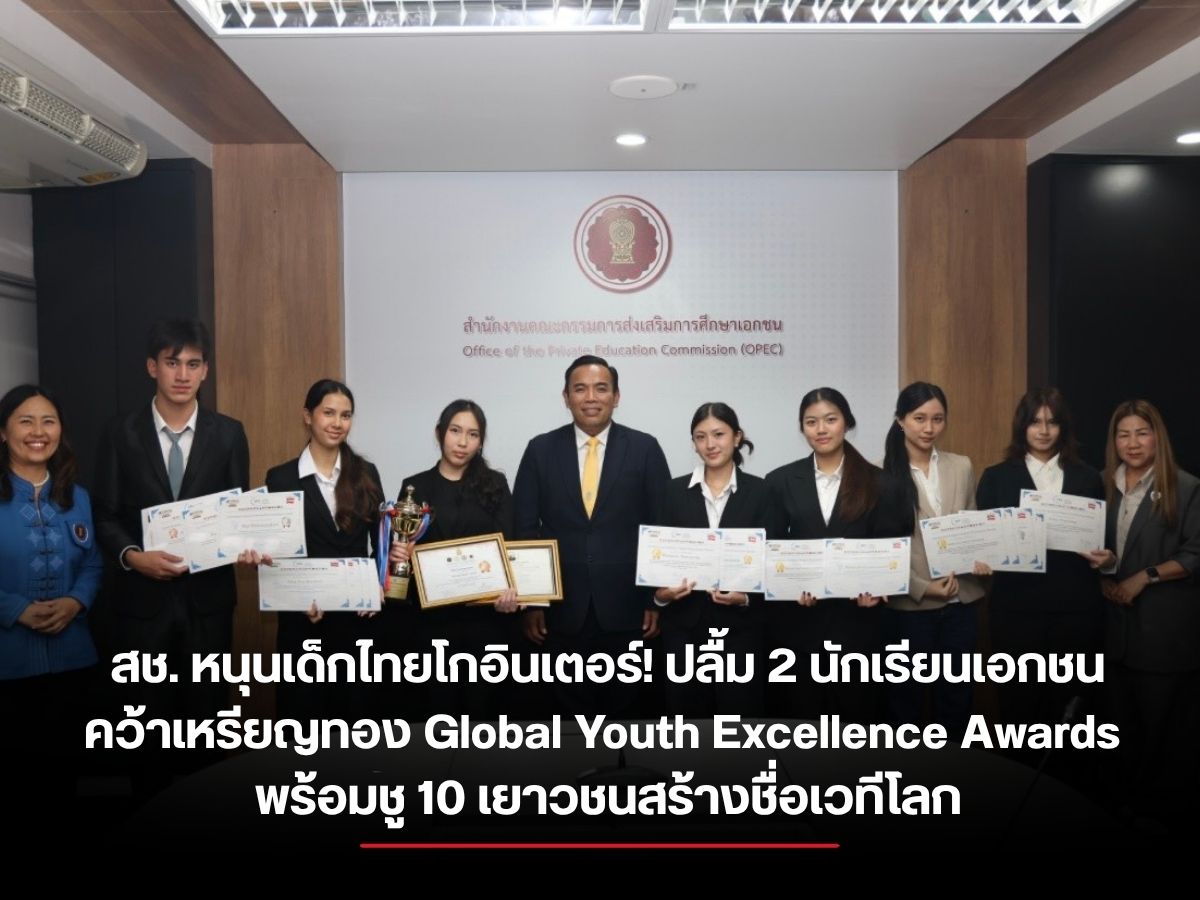
Through an initiative run by the National Research Council of Thailand (NRCT), the ‘EFL Little Bears’ team was selected to present its innovation on an international stage. The experience gave learners an opportunity to develop their analytical thinking, problem-solving and innovation skills while practising English, working as a team and communicating across cultures.
The EFL’s Scholars – IELTS Band 9: Mission Possible scholarship programme builds on EFL’s experience helping Thai learners achieve Band 9, the highest IELTS score. The programme gives young people the opportunity to develop their English skills to an internationally recognised standard.
Turning Educational Ideas into Learning Outcomes
After receiving the SDG 4 Best Practice Award, EFL showcased its work at an education exhibition. The team presented its approach to teacher development through the Global TeacherPreneur Model and highlighted the study options available through Personalised Education and ‘One School, Three Systems’. It also shared examples of how young people had built on their individual strengths to progress to university and participate in international events.
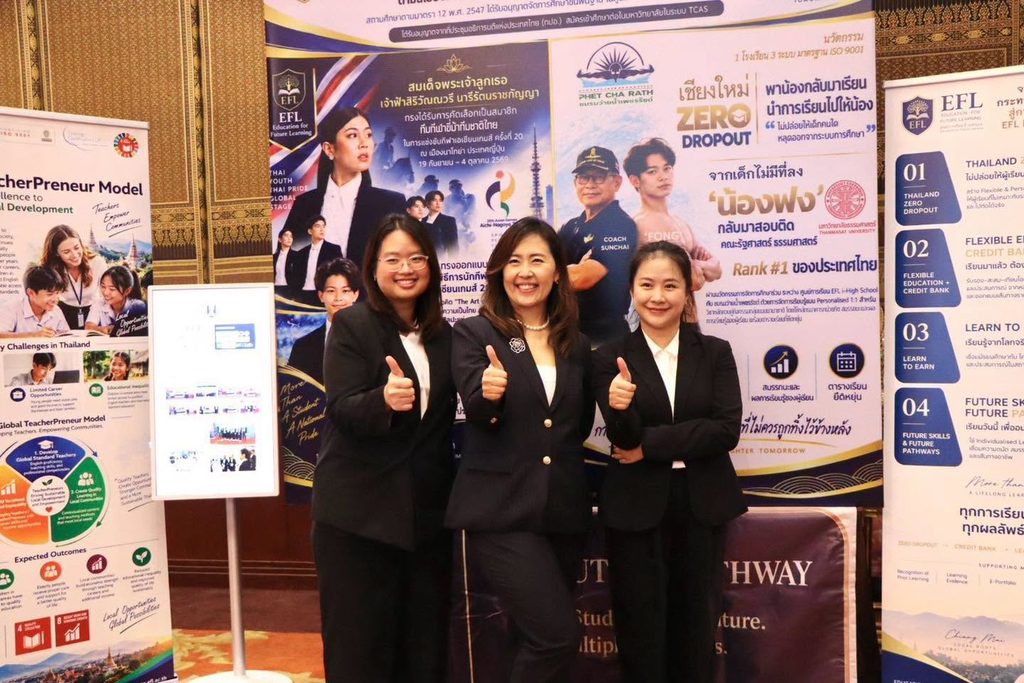
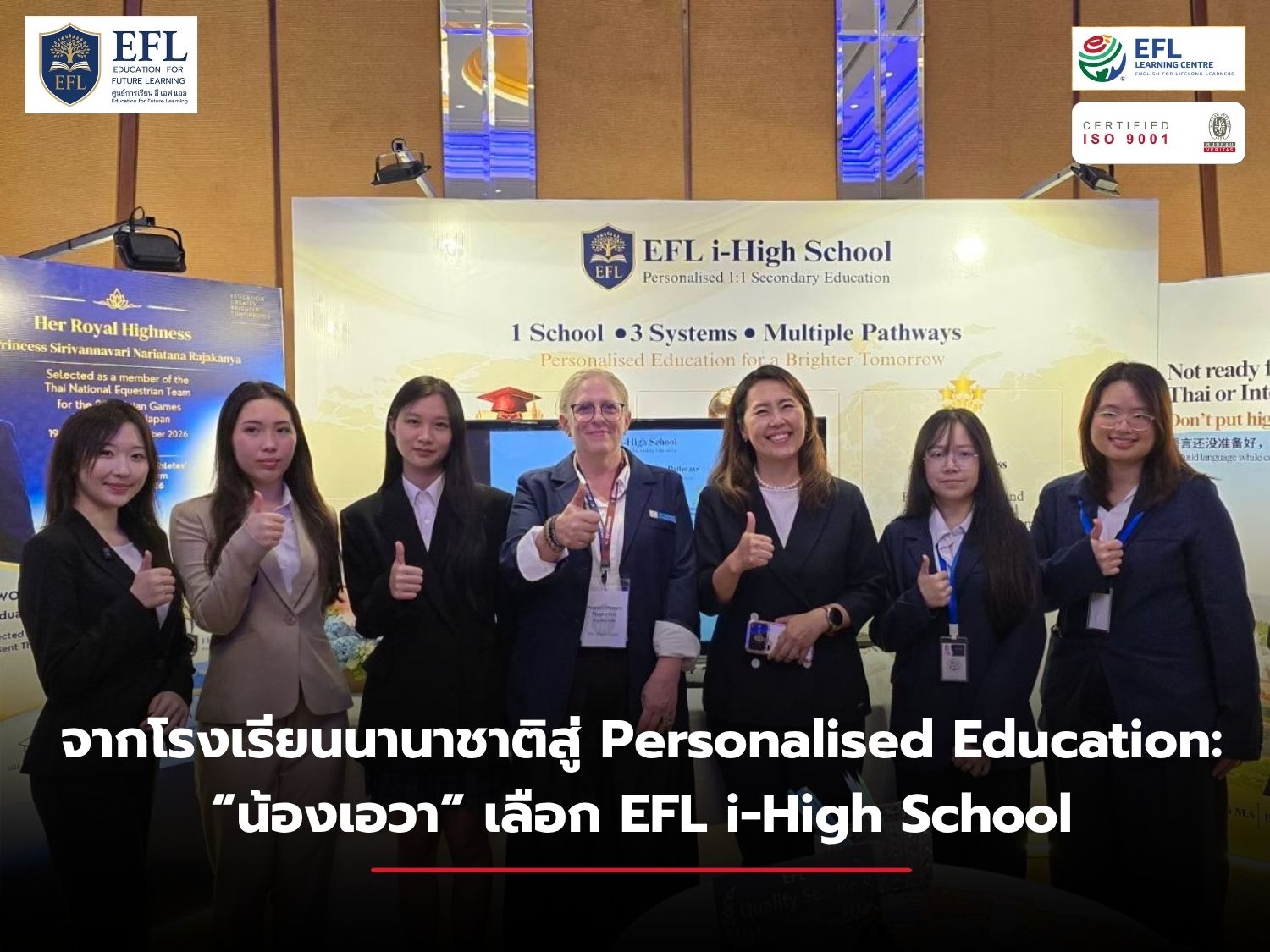
The EFL team showcased the Global TeacherPreneur Model and its approach to designing education around each learner’s strengths.
Together, these initiatives form an education ecosystem that links teaching quality, flexible educational pathways and learner outcomes. This is how EFL puts SDG 4 into practice and creates educational opportunities for learners.
“Every flower blooms in its own way.”
Because every child blooms in their own way.
Read the full report published on 20 September 2026. Top News